
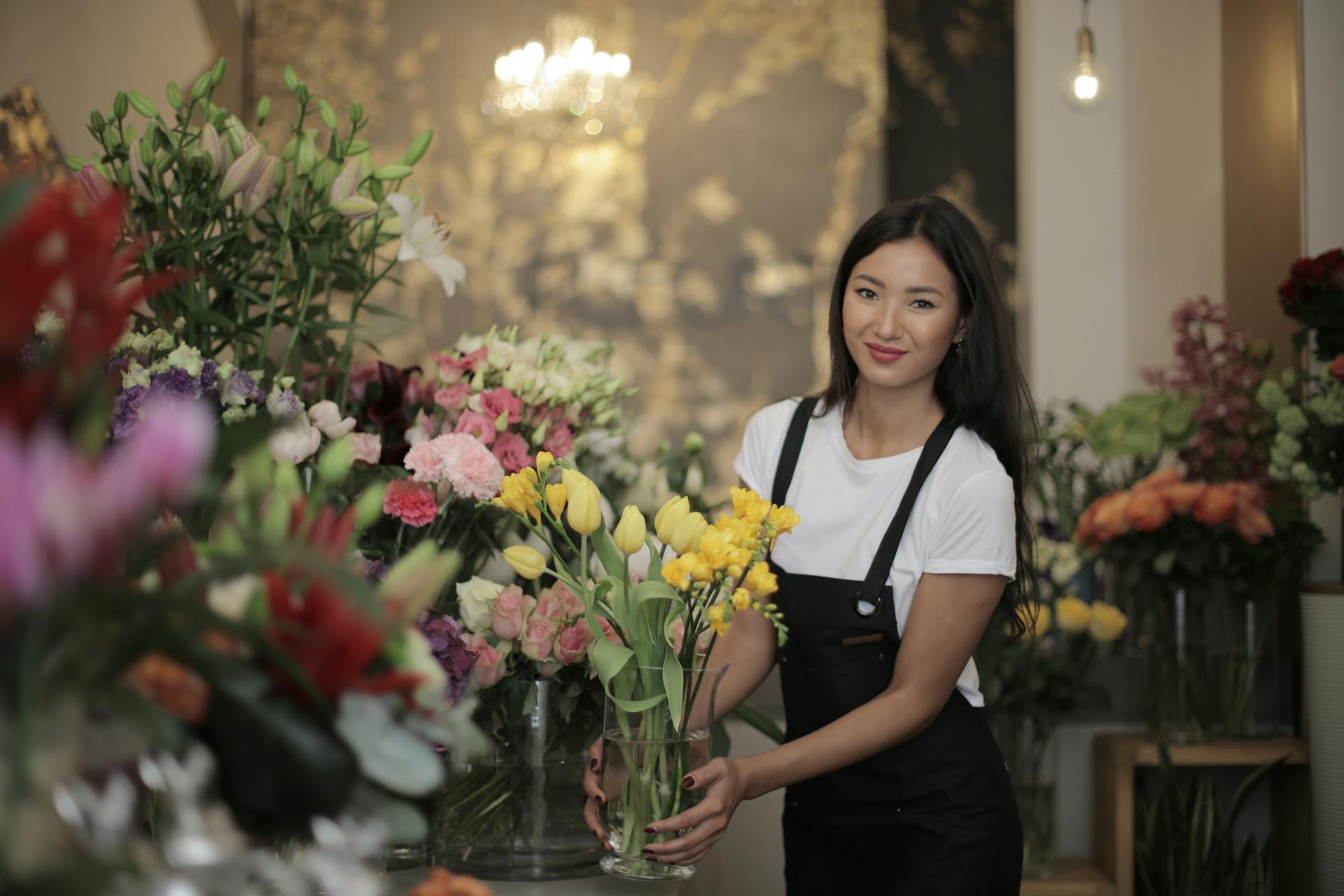
Keeping flowers fresh from the moment they arrive at the market to when they reach a shop display is a delicate balance of timing, technique, and care. Florists know that even minor missteps can shorten a bloom’s lifespan, affecting both appearance and customer satisfaction. Freshness depends on temperature control, water quality, and handling practices throughout the journey. Flowers are living organisms, and every step influences how long they stay vibrant. Understanding these practices reveals why florists’ displays often look flawless, even when the flowers themselves are only a day or two old.
Temperature and Humidity Control
One of the most critical factors in maintaining freshness is controlling temperature and humidity. Flowers are typically transported in cool environments to slow metabolism and prevent wilting. Refrigerated trucks or storage rooms keep blooms near optimal temperatures, while high humidity prevents petals from drying out. Even brief exposure to heat during handling or transit can accelerate deterioration. Florists closely monitor these conditions, adjusting storage and transportation methods based on the flower type. Proper climate management ensures that blooms retain color, firmness, and fragrance, giving customers a longer-lasting floral experience.
Water Management and Hydration
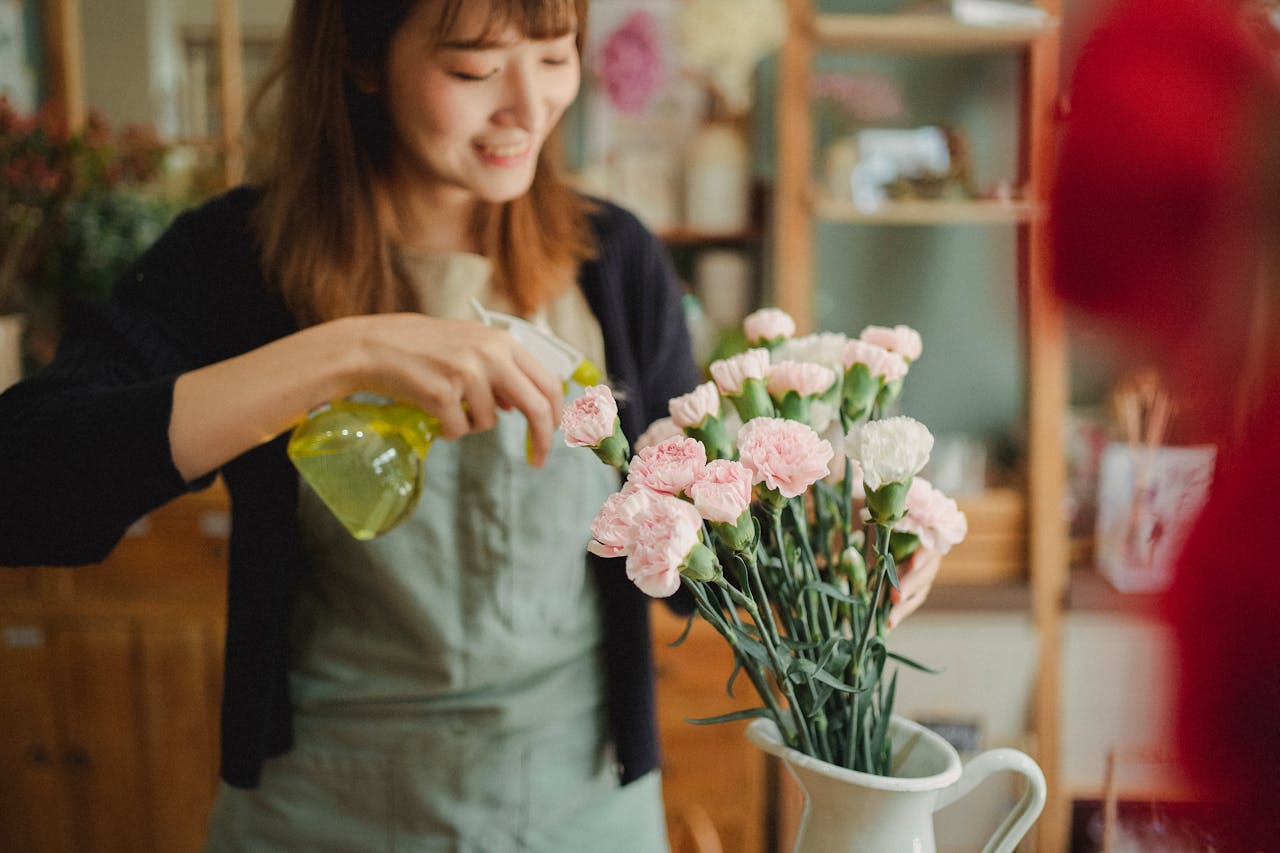
Water is essential for preserving flower health, but it must be carefully managed. Stems are often placed in clean, nutrient-rich solutions immediately after cutting to prevent dehydration and bacterial growth. During transport, water tubes or buckets with additives maintain hydration and reduce microbial contamination. Florists may also recut stems upon arrival to improve water absorption and remove any blocked ends. Keeping flowers well hydrated prevents drooping and extends vase life. This attention to water management ensures that by the time flowers reach the display, they are plump, vibrant, and ready to impress.
Gentle Handling and Strategic Packaging
Even perfectly hydrated and cooled flowers can be damaged by rough handling. Florists use protective packaging and careful stacking to avoid crushed petals or bent stems. Fragile blooms are often wrapped in tissue or paper and transported upright to prevent pressure points. Strategic packing also separates flower types with differing needs, reducing stress during transit. Each handling step is designed to minimize trauma and preserve the flowers’ natural form. Gentle handling combined with thoughtful packaging ensures that blooms arrive in the same condition they left the farm or market.
Regular Monitoring and Rotation in Displays
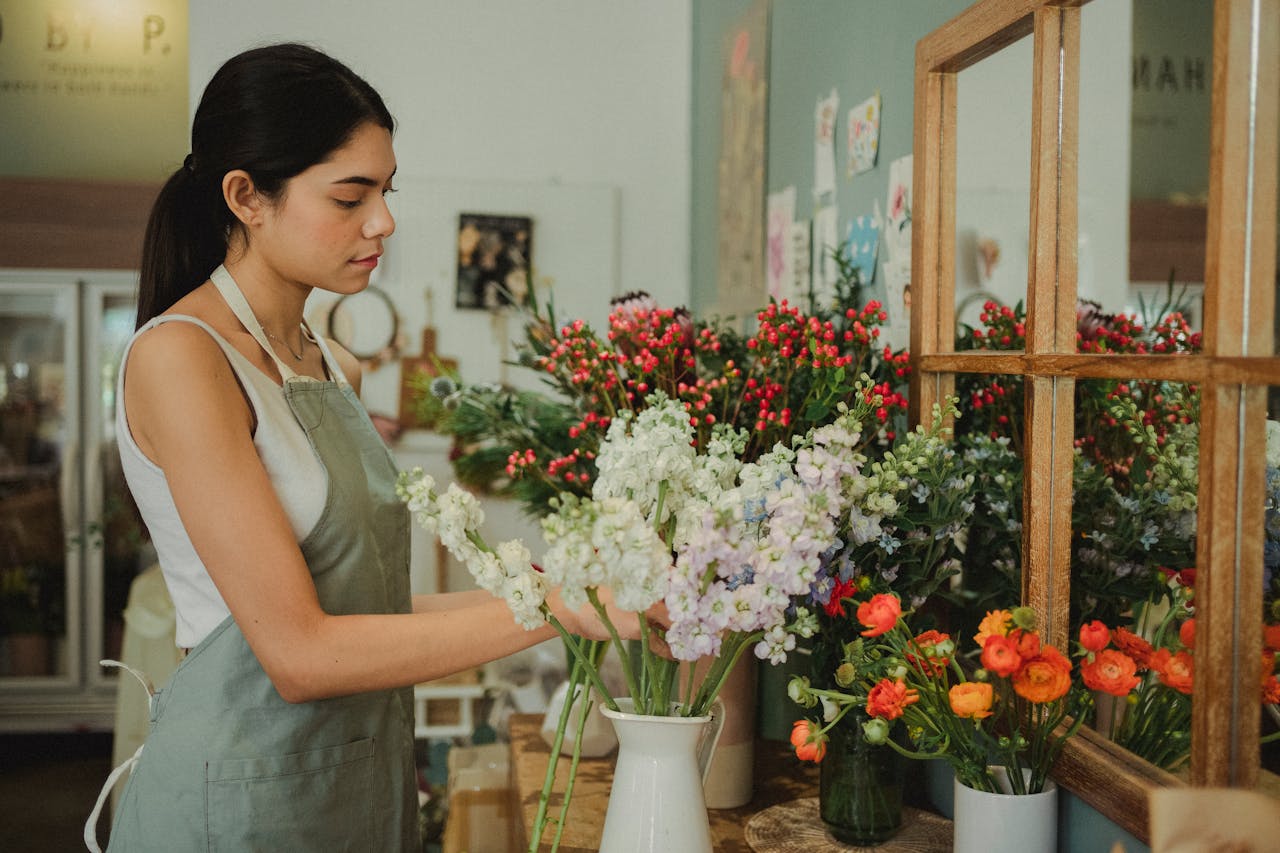
Once flowers reach the shop, maintaining freshness continues with regular monitoring. Florists check for wilting, discoloration, or water contamination, and rotate stock so older blooms are used first. Display vases are refreshed with clean water and nutrients to keep flowers at peak condition. Some flowers may be trimmed or groomed to extend visual appeal. Consistent attention prevents early deterioration and maintains the display’s overall aesthetic. This ongoing care is why florists can offer consistently fresh bouquets even in busy retail environments.
Maintaining flower freshness from the market to the display requires a combination of temperature control, hydration, careful handling, and constant monitoring. Florists use every step of the journey to protect the natural beauty of each bloom, ensuring customers receive vibrant, long-lasting arrangements. These practices highlight the expertise behind what often appears effortless in a well-presented shop. By respecting the delicate nature of flowers and consistently caring for them, florists can deliver arrangements that delight the eye and last longer in customers’ homes, reinforcing both the quality of their craft and their trust.